
Civic intake example
Example intake website
Public submissions with clearer entry points and cleaner internal routing.
This example shows a municipal intake site that reduces uncertainty for applicants while keeping the back-office review path disciplined and auditable.
Intake
Checklist-based
Status
Visible milestones
Review
Internal routing
Overview
A calmer front door for applications, requests, and public forms.
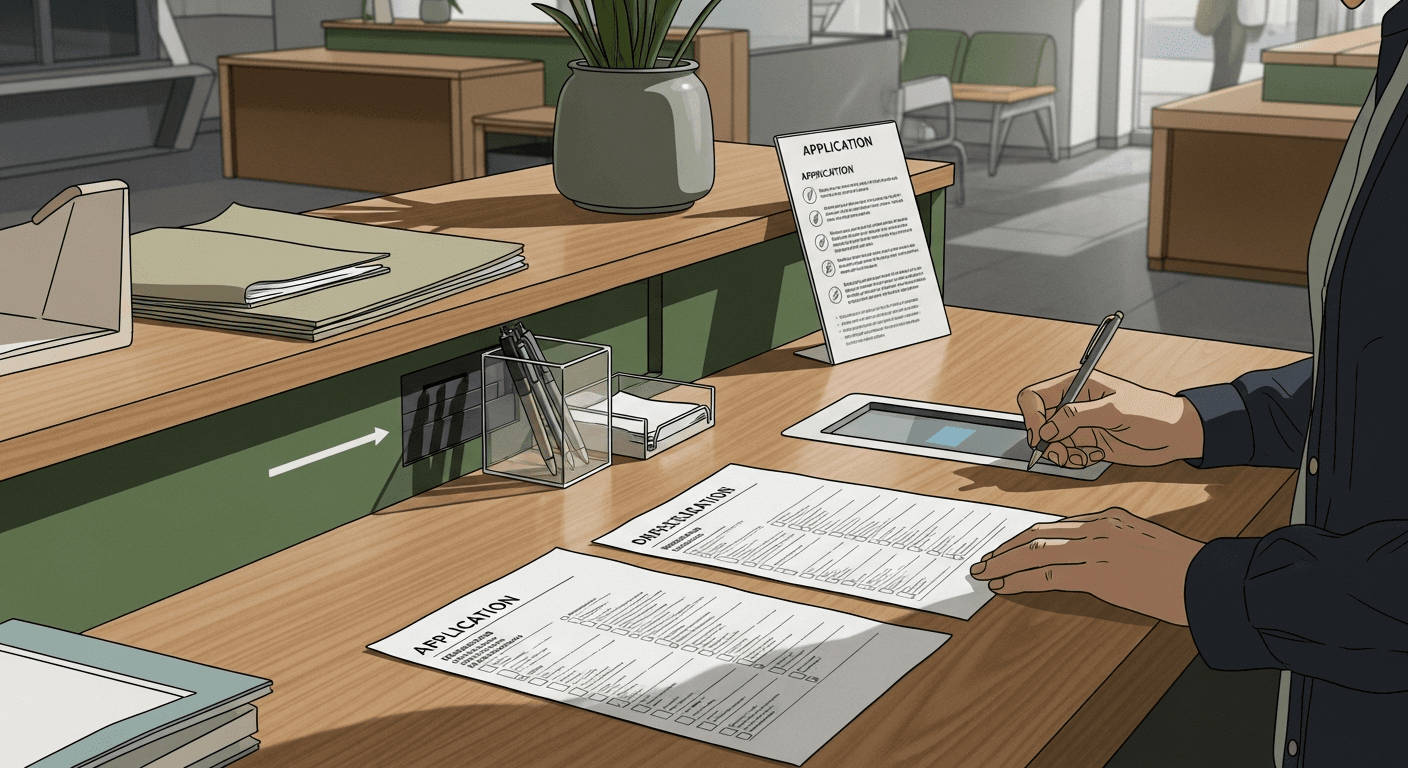
The resident experience emphasizes what is required, what happens next, and where the submission stands, so fewer applicants are left guessing.
- Checklist framing reduces incomplete or inconsistent submissions.
- Status language keeps users informed without exposing internal complexity.
- The tone remains civic and service-oriented rather than transactional.

Workflows
Intake and review workflows
Once a request is submitted, the operational work becomes just as important: triage, review, escalation, and follow-up need to stay structured.
Step 1
Guided submission
Required materials, timing, and progress stay visible enough to reduce avoidable back-and-forth.
Step 2
Review routing
Internal teams can hand submissions from intake to review without losing context or document continuity.
Step 3
Decision follow-up
Responses, status changes, and supporting records can be managed as part of the same service flow.
Support
Resident clarity depends on disciplined internal support.
Oakleaf can pair the intake surface with training, process documentation, and operational continuity so the service remains usable over time.
Staff procedures
Teams can work from shared intake and review procedures rather than relying on ad hoc workarounds.
Escalation handling
Complex or incomplete submissions can be routed with clear ownership and response expectations.
Service continuity
Support arrangements can cover peak intake periods, process changes, and long-term administrative upkeep.